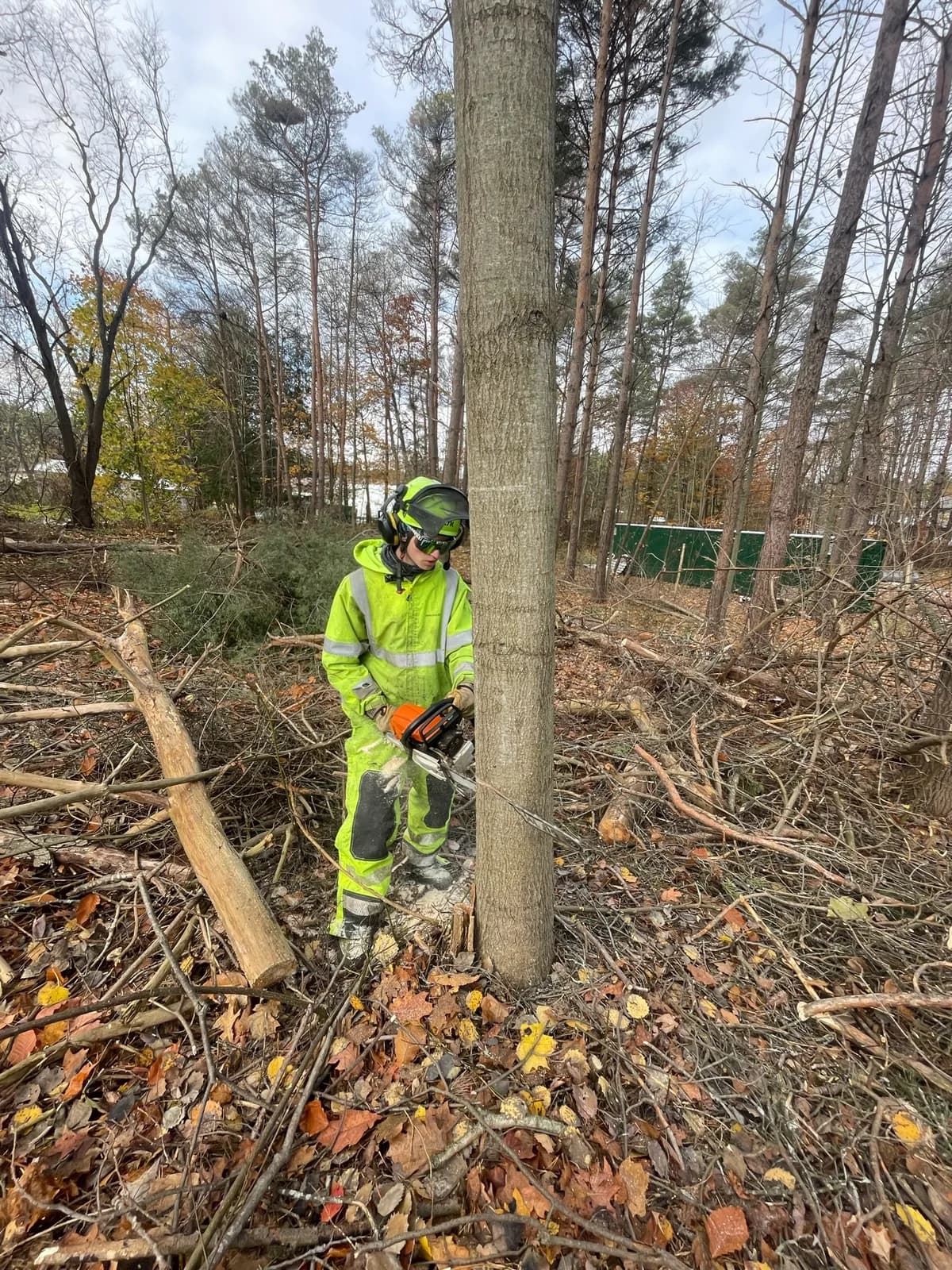
Pruning is the most common tree maintenance procedure — and also one of the most commonly done wrong. Understanding the basics of why and how trees are pruned helps you make better decisions about your own trees and ask better questions when hiring a professional.
Why We Prune Trees. Pruning serves several distinct purposes depending on the tree's situation: removing dead, diseased, or damaged branches to prevent decay from spreading and eliminate hazards; improving structure by removing crossing, rubbing, or weakly attached branches that are prone to failure; managing size to keep trees away from structures, utility lines, or other trees; improving light and air penetration through the canopy to promote health; and shaping young trees to develop strong, well-spaced branch structure as they mature.
The Main Types of Pruning. Crown Cleaning is the removal of dead, dying, diseased, or broken branches. This is the most fundamental form of pruning and is appropriate for nearly every tree on a regular maintenance schedule. Crown Thinning removes select live branches throughout the canopy to increase light penetration and air movement. It reduces wind resistance without significantly changing the overall size or shape of the tree. Crown Raising removes lower branches to provide clearance for pedestrians, vehicles, buildings, or sight lines. Crown Reduction reduces the overall height or spread of a tree, typically by cutting back to lateral branches of sufficient size to maintain the tree's structure.
Pruning Cuts: The Fundamentals. Every pruning cut should be made just outside the branch collar — the slightly swollen area where the branch meets the trunk or parent branch. The collar contains specialized cells that seal the wound. Cutting through it prevents proper closure and invites decay. Never leave stubs. A stub has no vascular connection to the tree and will die, rot, and eventually fall — often leaving a large cavity in the process.
The Most Common Mistakes. Topping — the indiscriminate cutting of large branches to stubs — is the single most damaging pruning practice. It destroys the tree's natural form, stimulates excessive weakly attached regrowth, and opens large wounds that rarely seal properly. It is never recommended by certified arborists. Lion's tailing — removing all interior branches and leaving foliage only at branch tips — creates a tree that is structurally compromised and highly susceptible to wind failure. Over-pruning — removing more than 25% of a tree's live canopy in a single season — puts the tree under severe stress and can trigger decline.
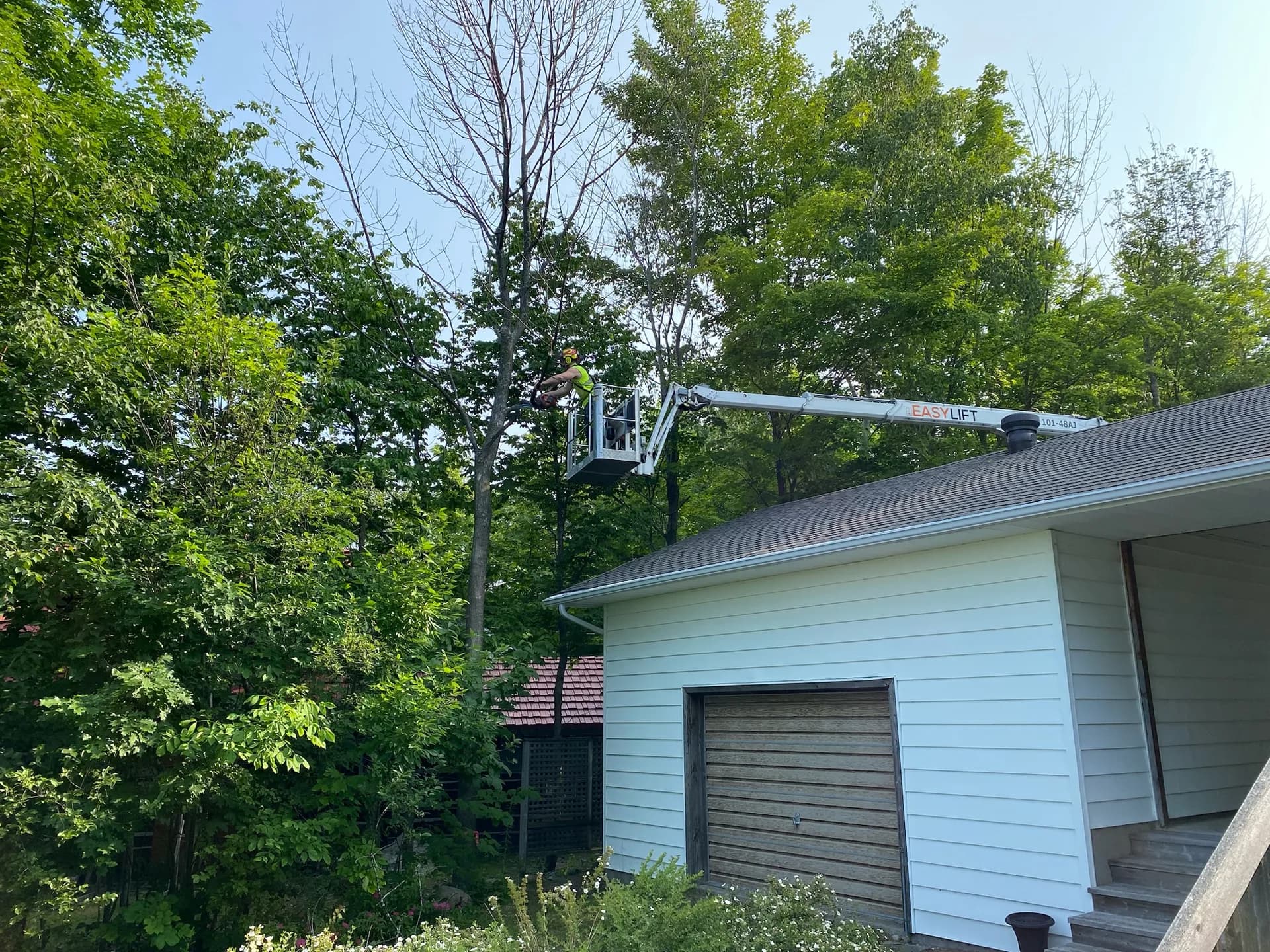
When to Hire a Professional. For any branch larger than what you can comfortably cut from the ground with a hand saw, hire a certified arborist. Work near structures, power lines, or with a chainsaw at height requires professional training and equipment. Improper cuts on a large tree can cause damage that takes decades to manifest — and thousands of dollars to correct. When in doubt, call us for a free assessment.